1- WHAT IS DEPRESSION EXACTLY?
3- WHAT ARE THE STAGES OF DEPRESSION?
4- HOW DOES IT AFFECT AN INDIVIDUAL?
5- HOW CAN YOU GET OUT OF DEPRESSION?
Let’s understand each topic deeply—
1- WHAT EXACTLY IS DEPRESSION?
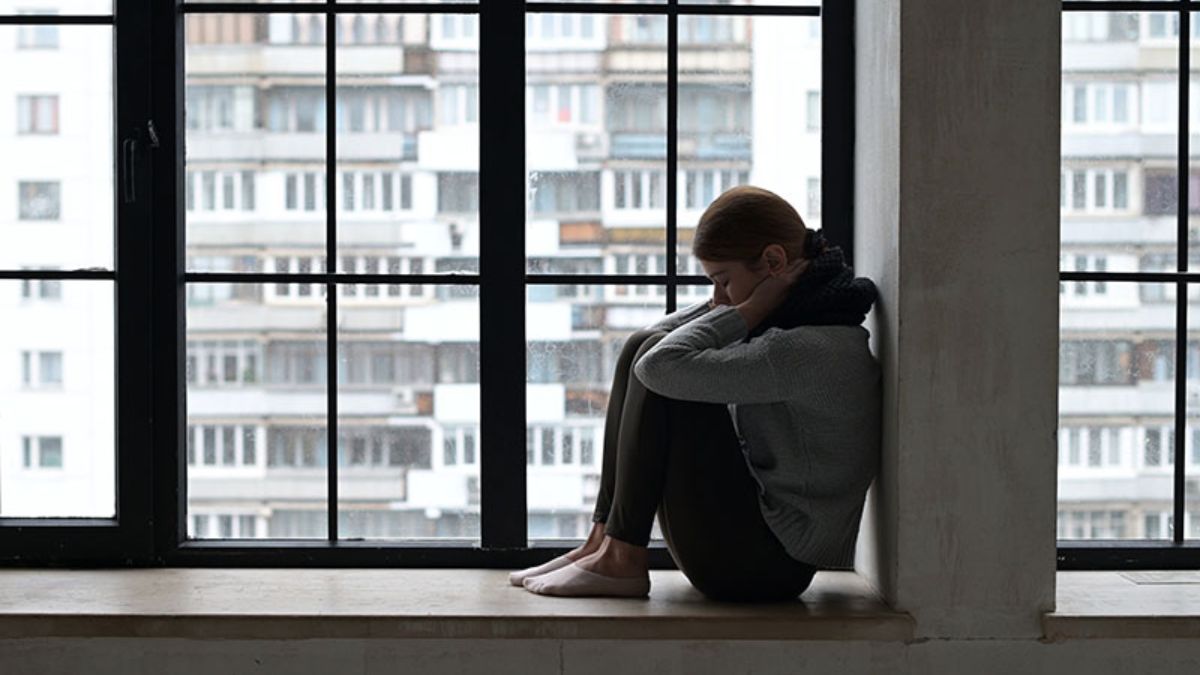
Depression is a mental health problem that can cause physical and emotional disorders, especially in adolescents. It is characterised by physical complaints such as stomach aches, headaches, eating disorders, social withdrawal, and depressed mood. Nervous breakdowns are often associated with depression and are often identified due to confusion and fear of it. People with depression often feel sad, cry, and withdraw from activities that used to bring them joy. Reports of depression in adolescents have begun to increase in number, with physical complaints being more common than those in adults. Older people with depression generally complain of physical problems rather than emotional ones.
Some highlights of depression:-
- Depressed people can become agitated and lose motivation. When we talk about silent killers, depression comes first because it kills and no one can figure out what exactly is wrong with them.
- Depression is a common mental illness that affects everyone.
- Older people with depression experience physical and emotional symptoms.
2- SYMPTOMS OF DEPRESSION

Depression is a mental health condition that can result in a variety of emotional and physical symptoms. Some of the most common symptoms of depression are the following mental health problems that can manifest in a variety of ways.
HERE ARE SOME COMMON SYMPTOMS OF DEPRESSION ARE GIVEN BELOW:
- Depression is a kind of feeling of worry, melancholy or emptiness that persists.
- In this, a person stops getting excited about the things that once made him feel happy.
- Increases the feeling of lack of energy.
- Increases difficulties concentrating or making decisions
- In this, a person suffers from insomnia or excessive sleep.
- In this, a person’s appetite and weight change.
- Increases the feeling of restlessness and irritability.
- Increases physical problems that do not respond to any treatment, such as stomach aches, cramps, back pain, and headaches.
- At this point, a person’s mind starts to consider suicide or death.
- It can increase feelings of worthlessness or guilt.
- Decreases movement or speech.
It is important to seek professional support if you suffer from depression, as the severity of symptoms varies from person to person.
3-WHAT ARE THE STAGES OF DEPRESSION?

Depression is a complicated and varied disorder that manifests itself differently for each individual. However, there are certain typical stages or phases of depression that can help to better understand the disease.
Here are 3 stages of depression given below:
1. Mild depressive disorder:This is the first stage of depression where the individual may have low energy, decreased interest in activities, difficulty sleeping, and trouble concentrating. The symptoms are minor and can be misinterpreted as normal emotions of melancholy or low mood.
2.Moderate depressive disorder—The symptoms get worse and last longer at this point. Also possible are feelings of pessimism, worthlessness, and heightened concern. People could struggle with everyday activities like working or socialising.
3.Major depressive disorder—This is the most serious and dangerous stage of depression for any individual. In this disorder, people begin to face these life-threatening symptoms: extreme anxiety, physical symptoms such as weight loss or gain, exhaustion, changes in appetite, and suicidal thoughts.
If you suspect you may be depressed, it’s crucial to get professional care right away because depression may be deadly for a person.
4-HOW DOES IT AFFECT AN INDIVIDUAL?

One of the most frequent side effects of depression, a mental health disease that can have major repercussions for a person’s thoughts, feelings, and behaviours, is depression.
HERE ARE SOME EFFECTS GIVEN BELOW:
1. Mood swings:- Depression can make a person feel sad, irritable, worried, or angry. They may also have mood swings, in which their emotions change rapidly.
2.Changes in appetite and sleep—In some cases, depression can increase or decrease in appetite and sleep patterns. Some people may experience loss of appetite, while others may overeat. Similarly, some people may have trouble sleeping.
3.Negative thoughts— Depression can cause a person to have negative thoughts about himself, his life, and his future. They may feel worthlessness, hopelessness and have a negative attitude towards life.
4.Loss of interest—People suffering from depression may lose interest in activities they once enjoyed, such as hobbies or interacting with friends and family.
5.Concentration difficulties—Depression can affect a person’s ability to concentrate, remember information, or make judgments.
6.Physical symptoms— Depression can induce fatigue, headaches, and muscle pain.
7.Suicidal thoughts or behaviors—People with depression may experience suicidal thoughts or behavior.
The most important idea is to seek professional help to reduce the symptoms and to develop effective therapies such as therapy, medication, and lifestyle modifications to help control and reduce the symptoms.
5-HOW CAN YOU GET OUT OF DEPRESSION?
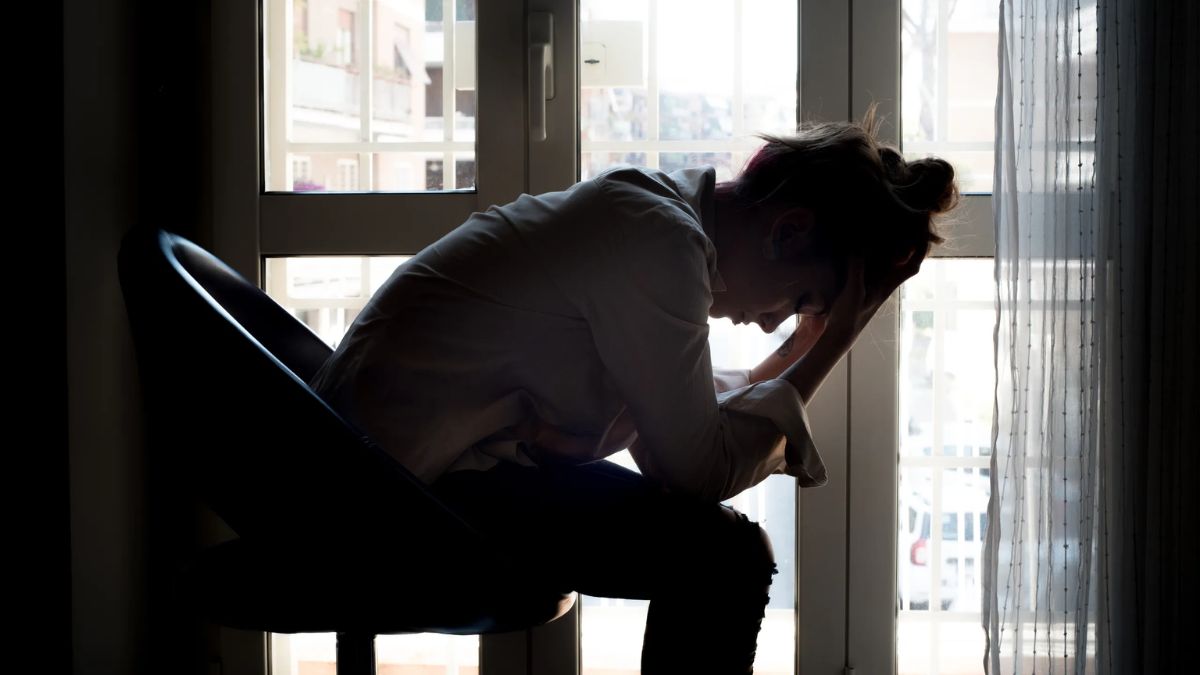
Depression is a difficult disorder that requires the assistance of a professional. Depression is often treated with a variety of therapies, including medication, talk therapy, and lifestyle changes.
Here are some steps that can help someone overcome depression:-
- Take the medication as directed:Medications can be an effective treatment for depression, but they must be used exactly as directed by a doctor.
- Seek expert treatment— Seeking professional help from a therapist, doctor, or psychiatrist is the first step in treating depression. They can help in the diagnosis and treatment of the disease.
- Attending psychotherapy sessions— Cognitive behavioural therapy (CBT), for example, can help a person develop coping skills and change negative thought patterns that contribute to depression.
- Exercise regularly—Regular exercise can help improve mood and decrease depressive symptoms.
- Create a support system: Social support can help with managing depression. Building a support network of friends, family, or a support group can encourage and help a person cope with the challenges of depression.
- Practice self-care: Self-care activities, such as getting enough sleep, eating a serving of good food, and engaging in enjoyable activities, can help improve overall well-being.